A nipple can get a work of art deleted;
an algorithm can effectively silence a movement…
The contents of this initiative were initially developed as part of a collaboration between civil rights organizations, art collectors, and artist-activists: ARC-Artists at Risk Connection, Freemuse, National Coalition Against Censorship, Emma Shapiro, Savannah Spirit, and Spencer Tunick.
For decades, female-appearing nipples have been disproportionately censored online - reshaping art history in real time.
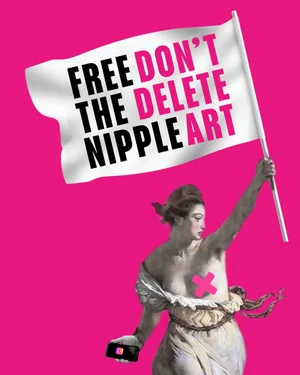
During March and April 2026, Don’t Delete Art partnered with Free The Nipple—founded by activist and filmmaker Lina Esco—to expose how gender-biased content moderation continues to censor, restrict, and erase art featuring female-appearing nipples.
Our multifaceted collaboration included an Instagram takeover, live talks and panels with scholars and activists, and features artwork and quotes from artists whose work is vulnerable under current content moderation policies and enforcement. Alongside these voices, the initiative invited artists and the public to document examples and effects of art removed because of the inclusion of nipples, building a collective record of how censorship shapes art in the digital age.
ABOUT THE COLLABORATION
This collaboration brings together Don’t Delete Art, a project defending artistic freedom online, and Free The Nipple, the global body-equality movement founded by Lina Esco that exposes how sexist moderation policies police bodies and expression.
Watch our kick-off conversation with Lina about the history of Free The Nipple and why NOW is the perfect moment to bring it back.
ALL THE HAPPENINGS
-
Featured Artworks
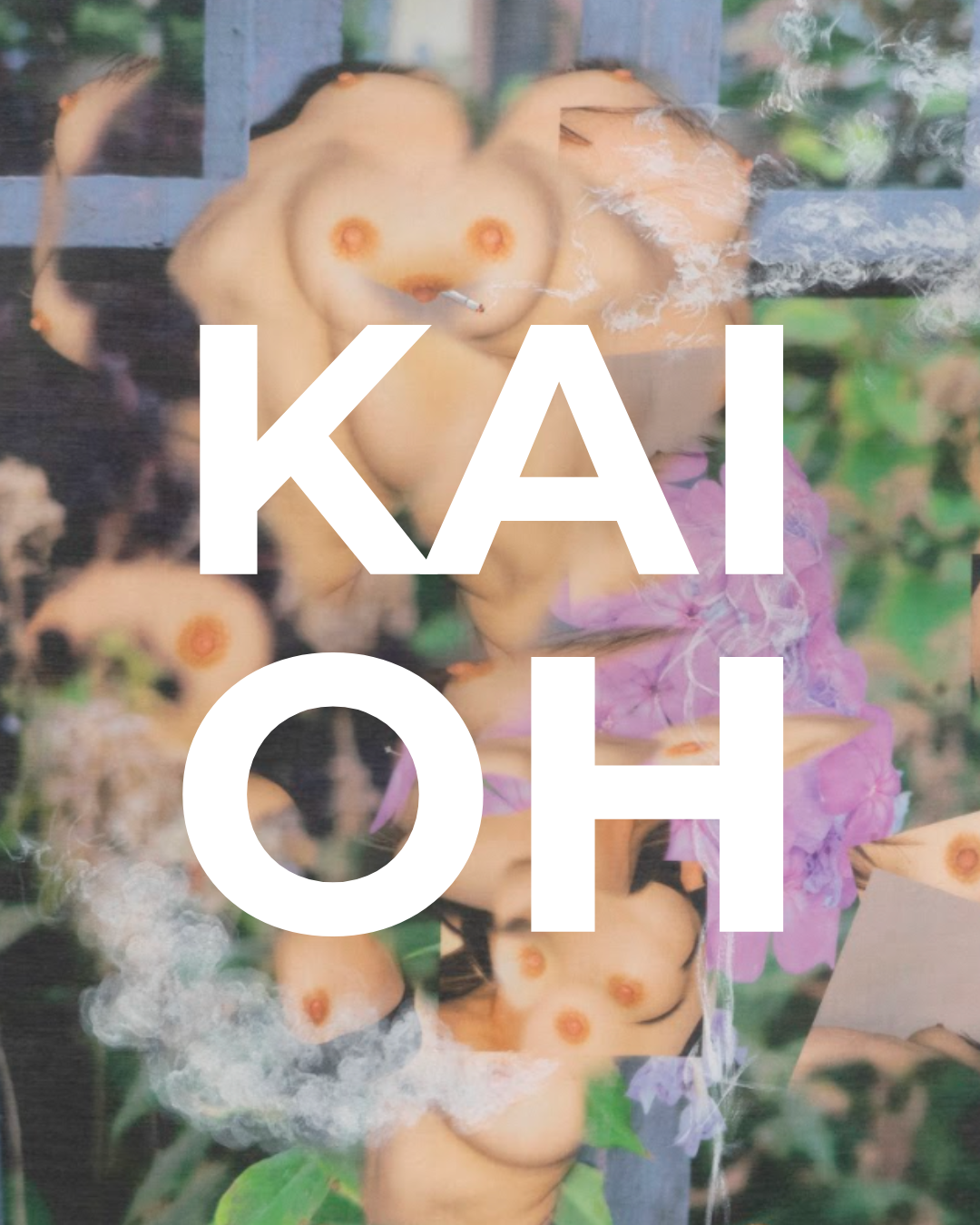
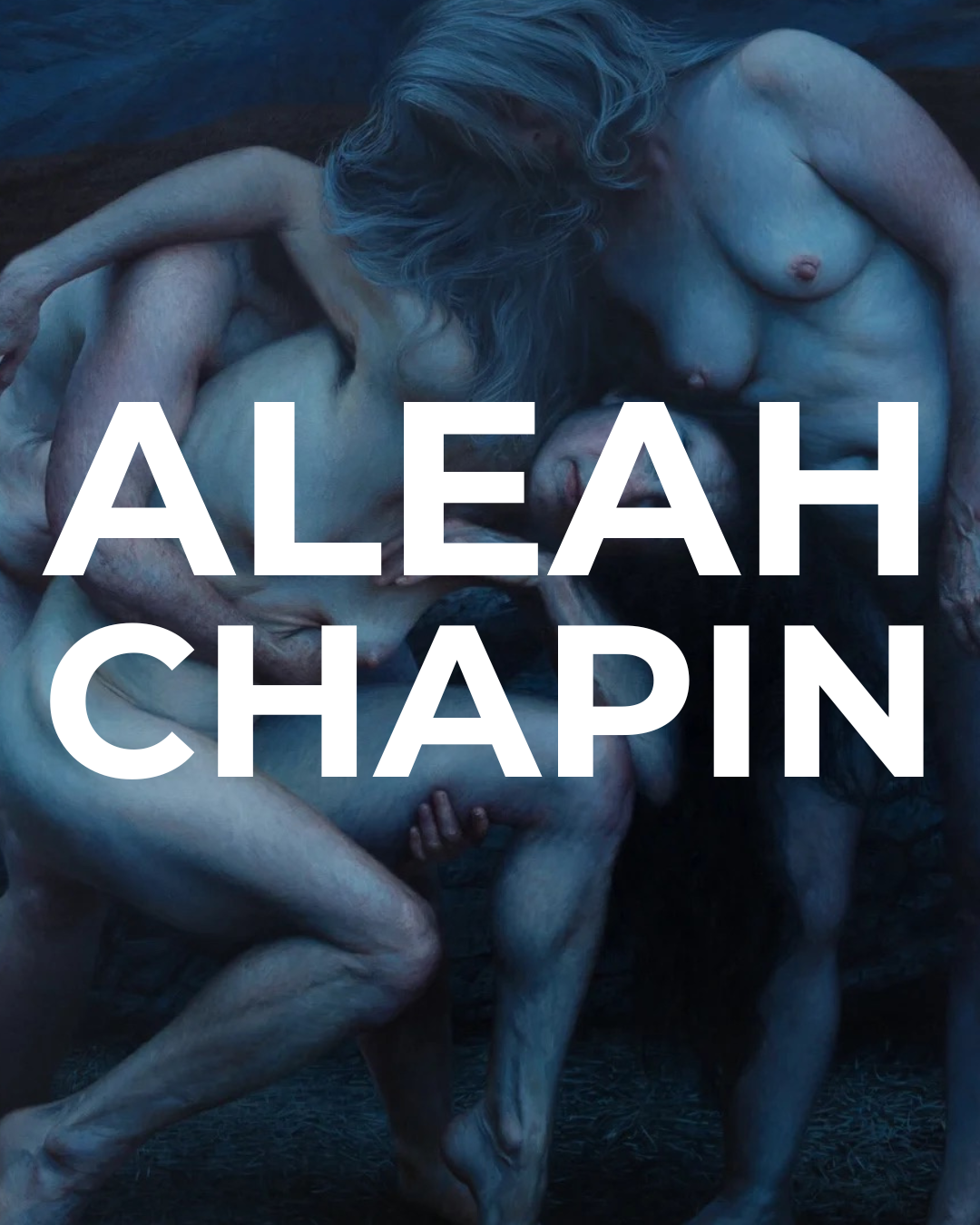
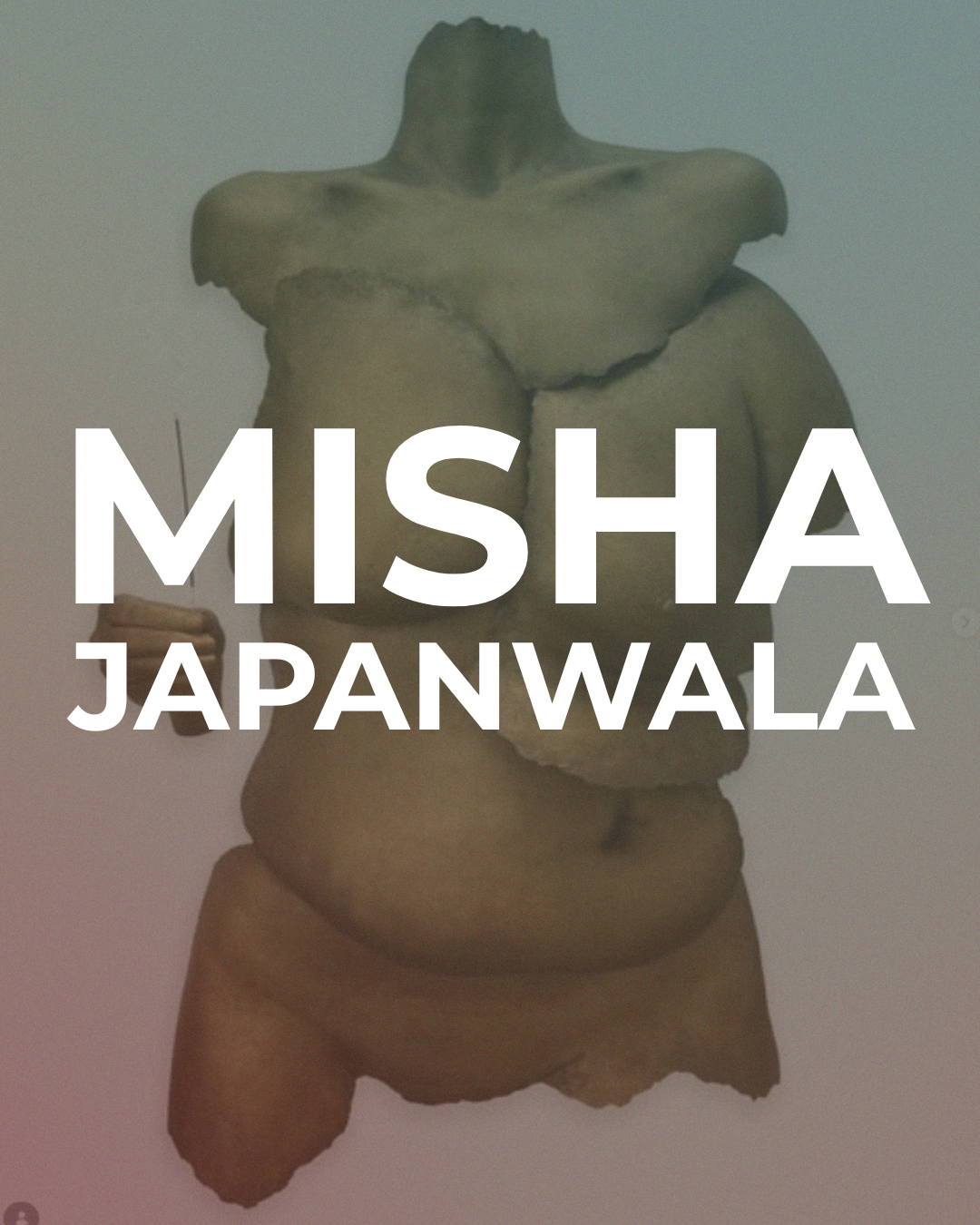
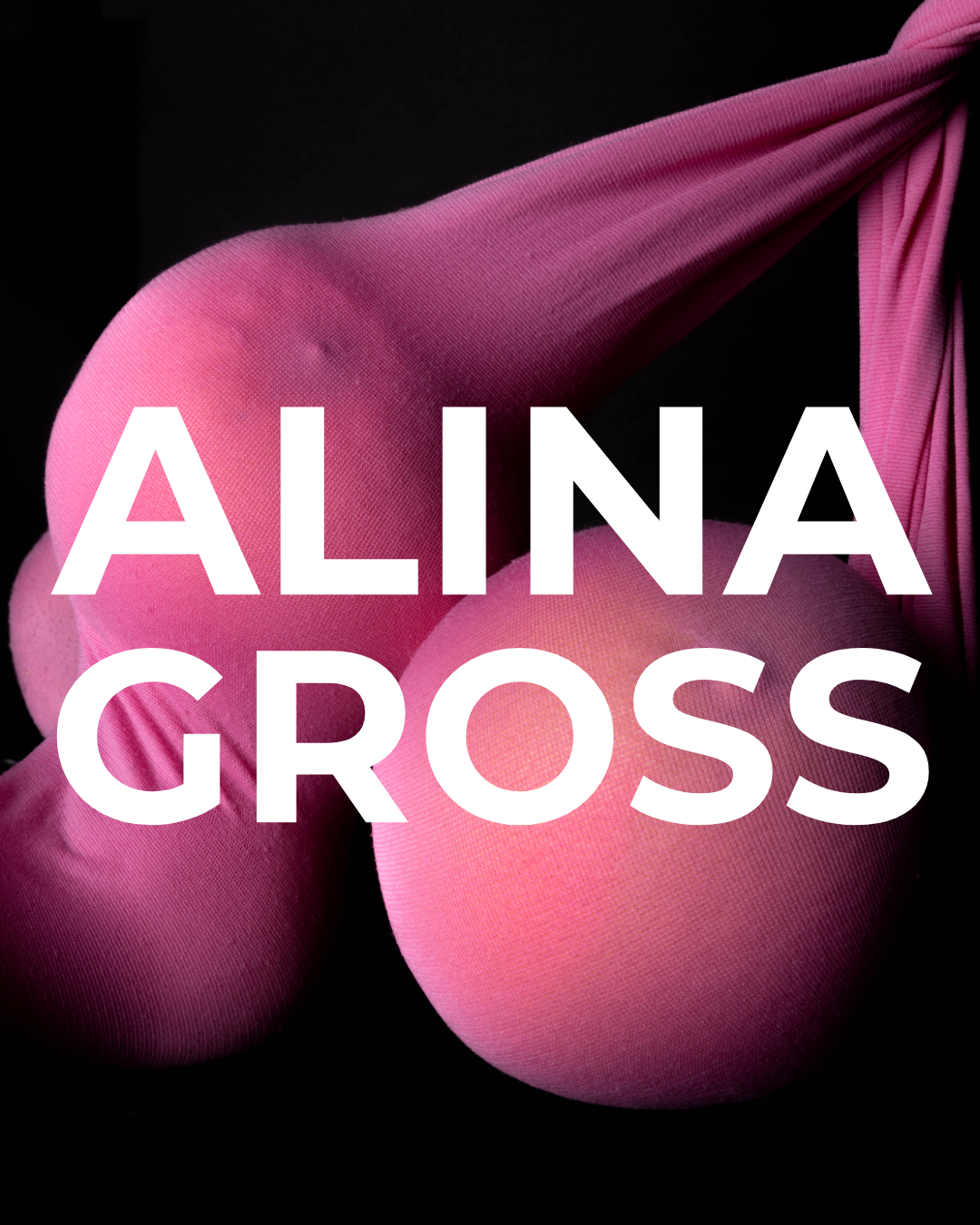
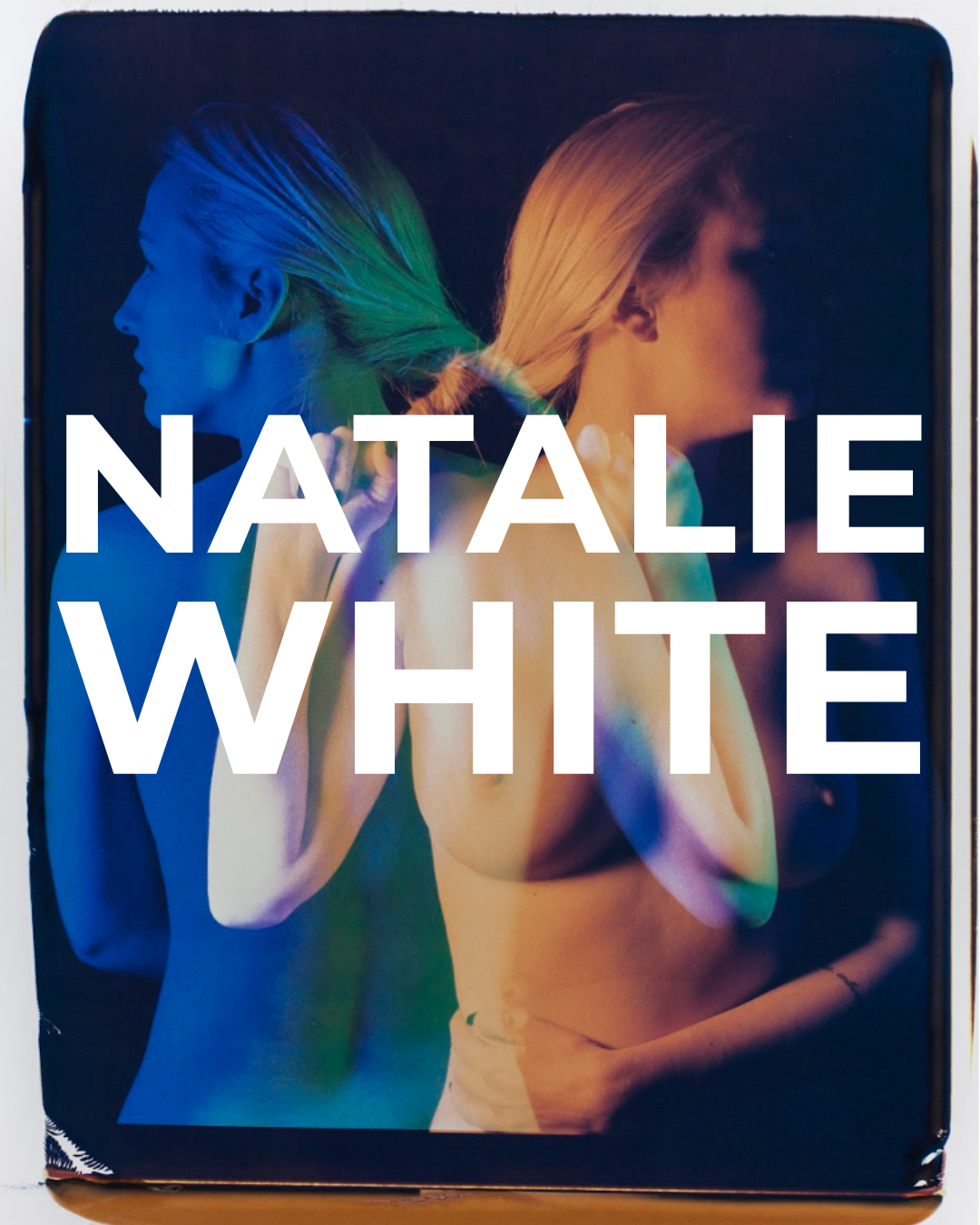
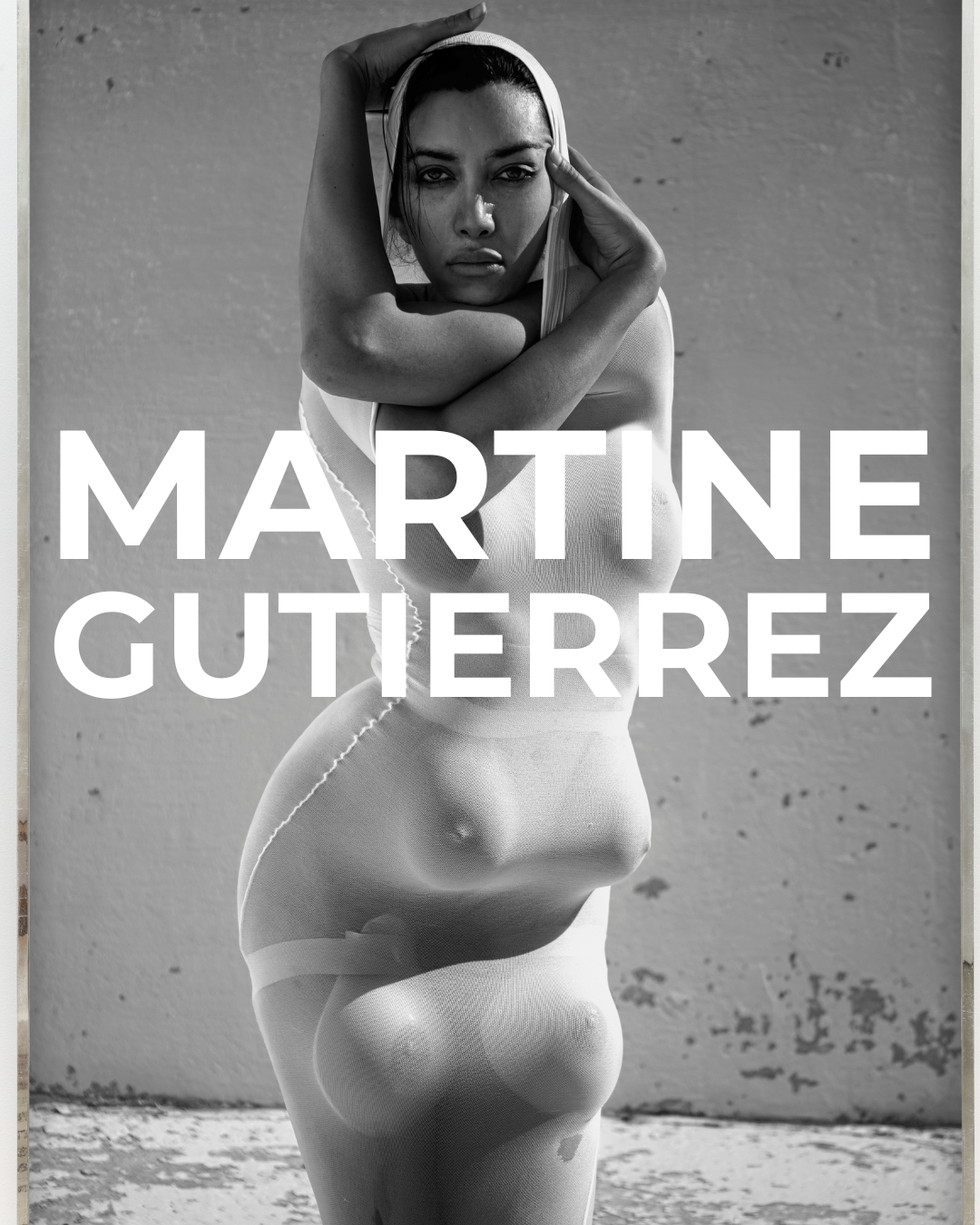
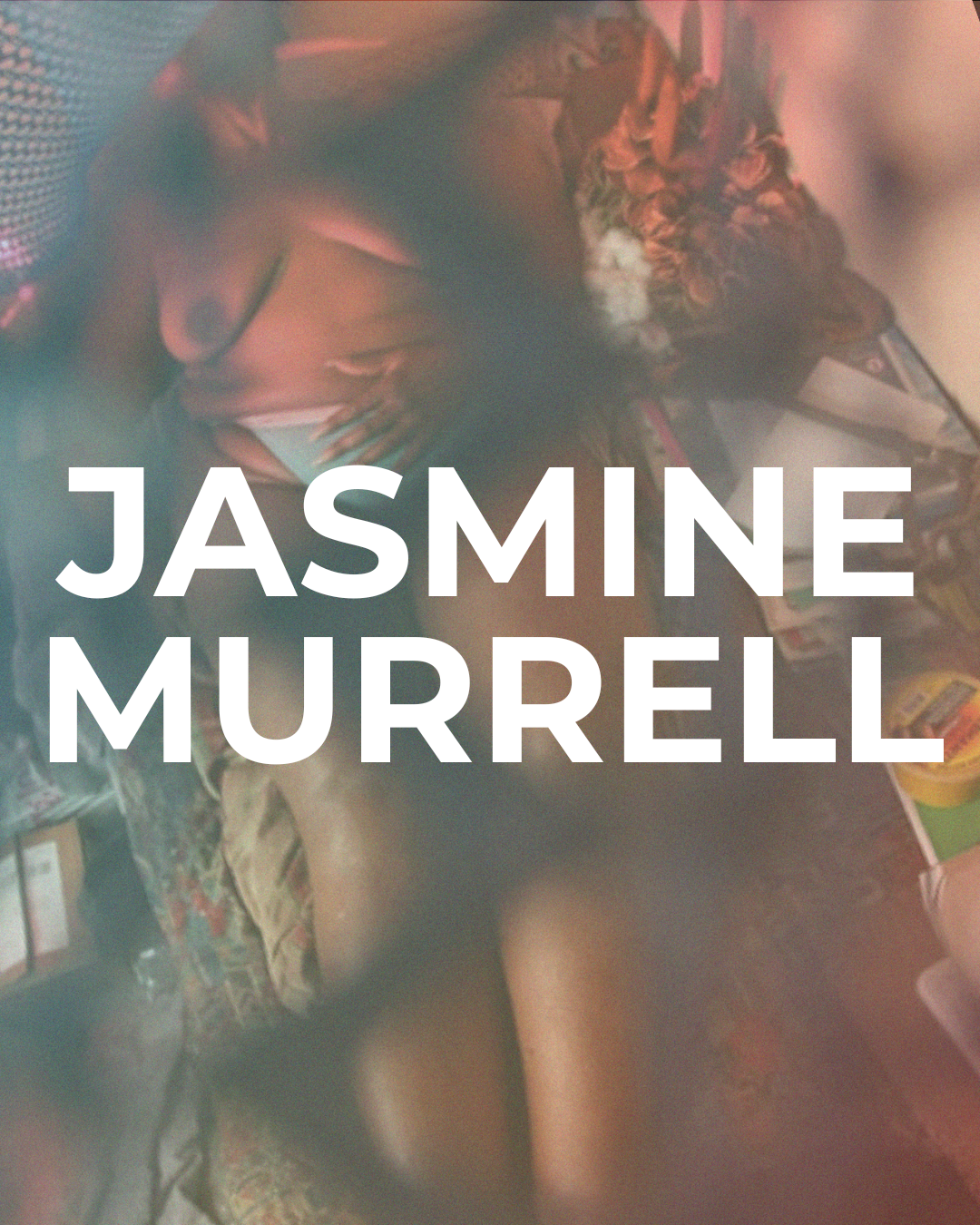
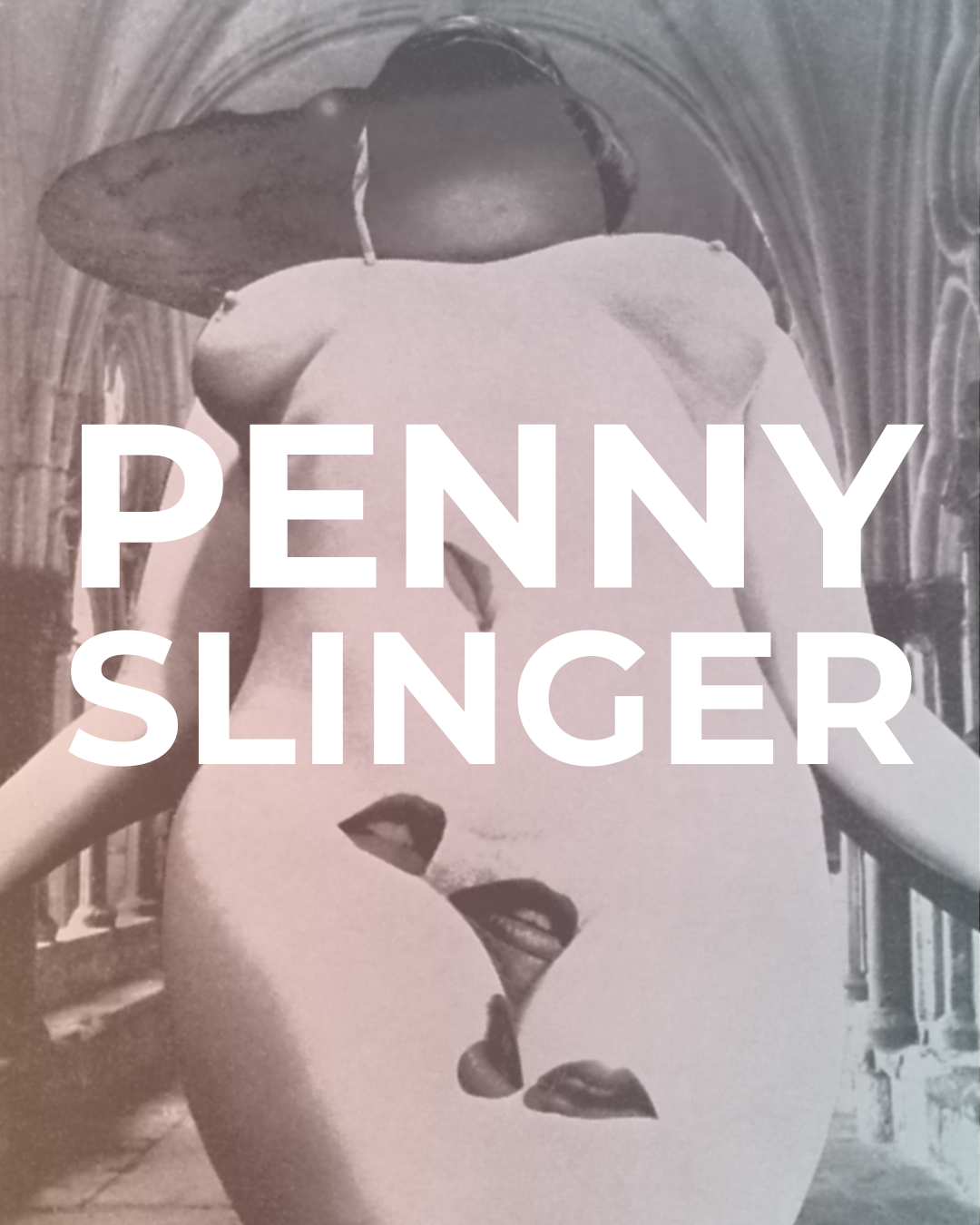
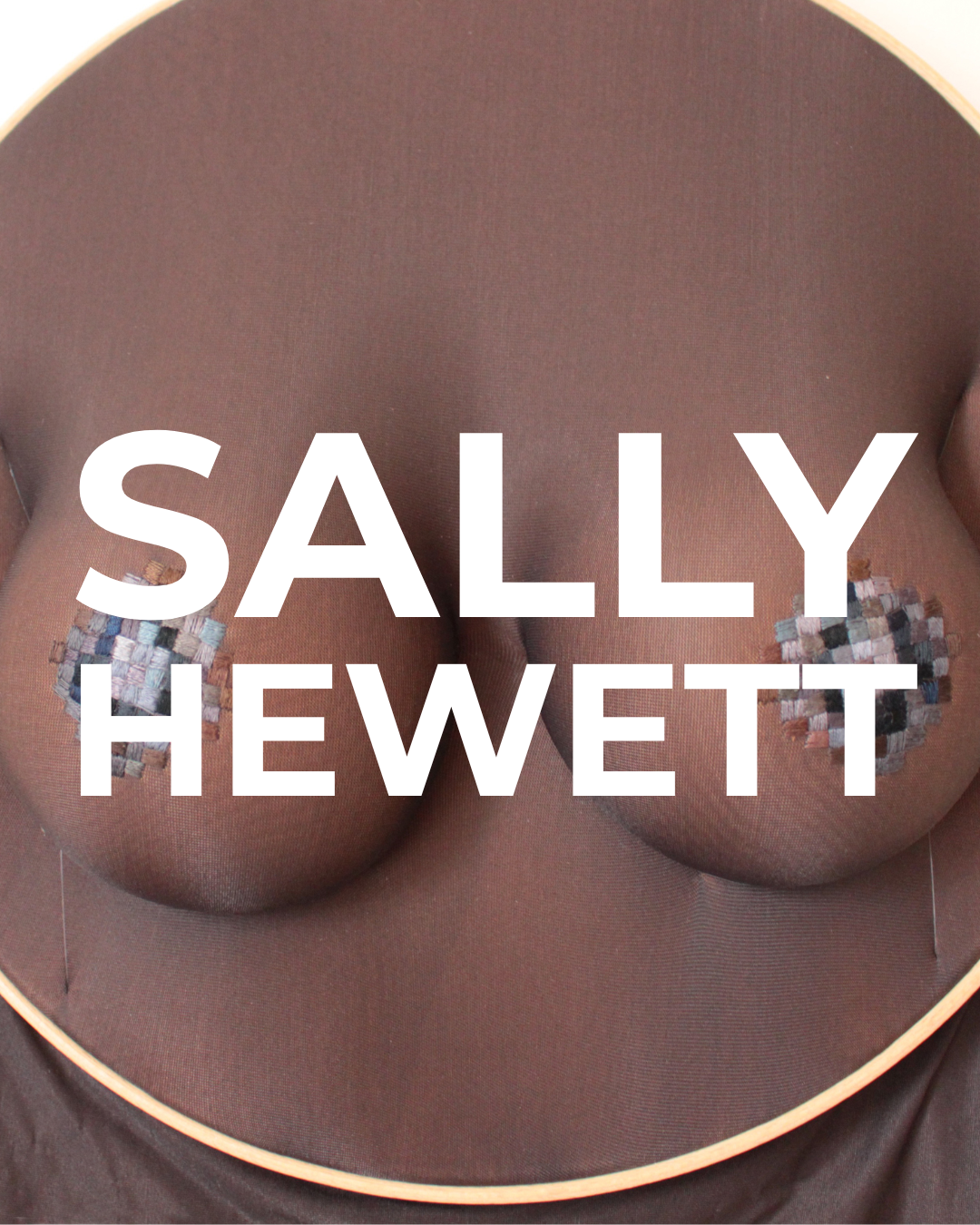
What do we stand to lose if we accept restrictions of art online solely based on the inclusion of female-presenting nipples? This collection of featured works reveals the ways that this strangely contested body part is integral in the creative expression of contemporary artists, photographers, and sculptors.
-
Talks, Panels & Interviews
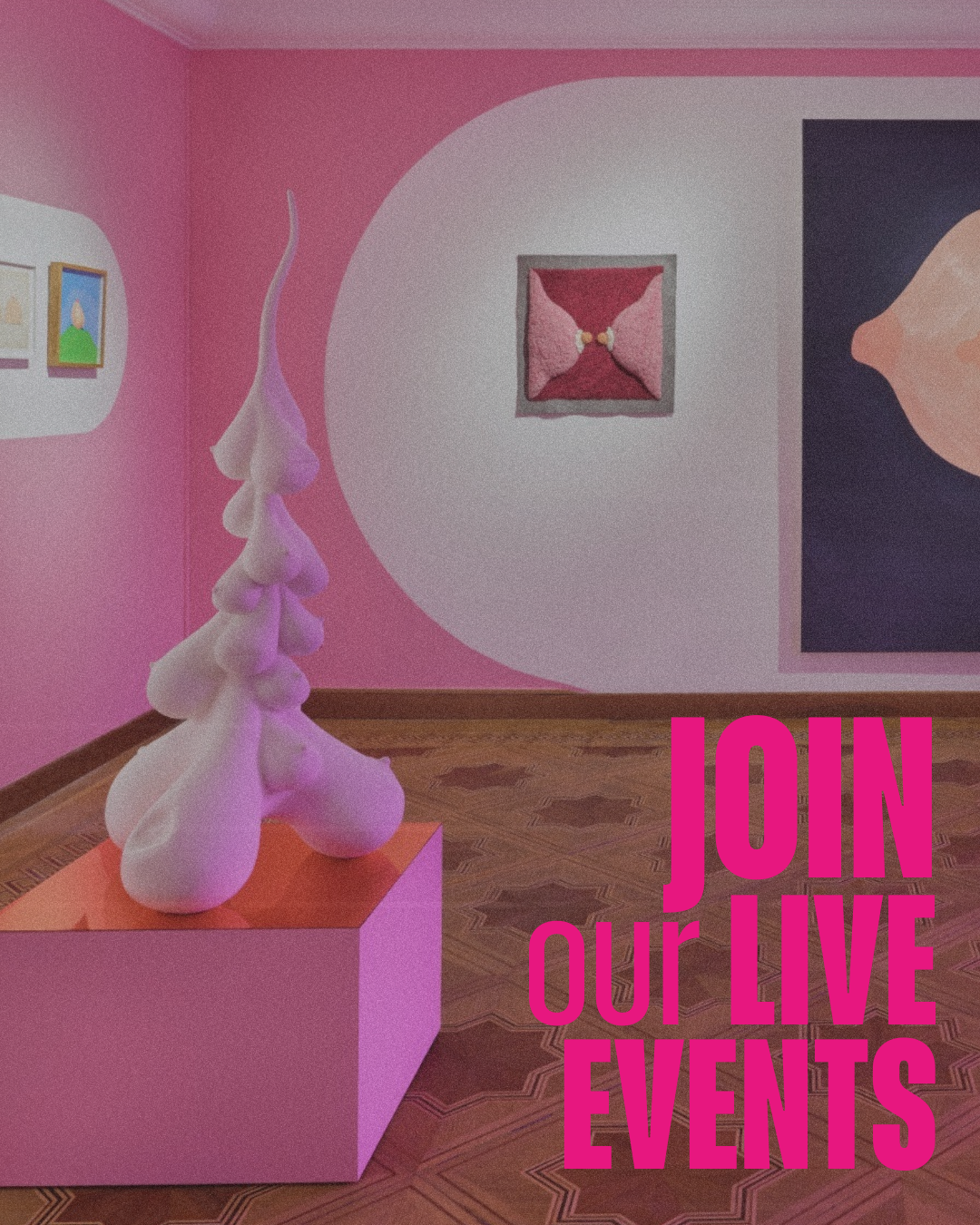
Critical conversations on nipple censorship, gender bias, and how technology determines what art is allowed to exist online — featuring leading voices in art history, feminism, technology, and digital culture.
-

Artists' Contributions
See some of the stories and artwork shared during the initiative!
-
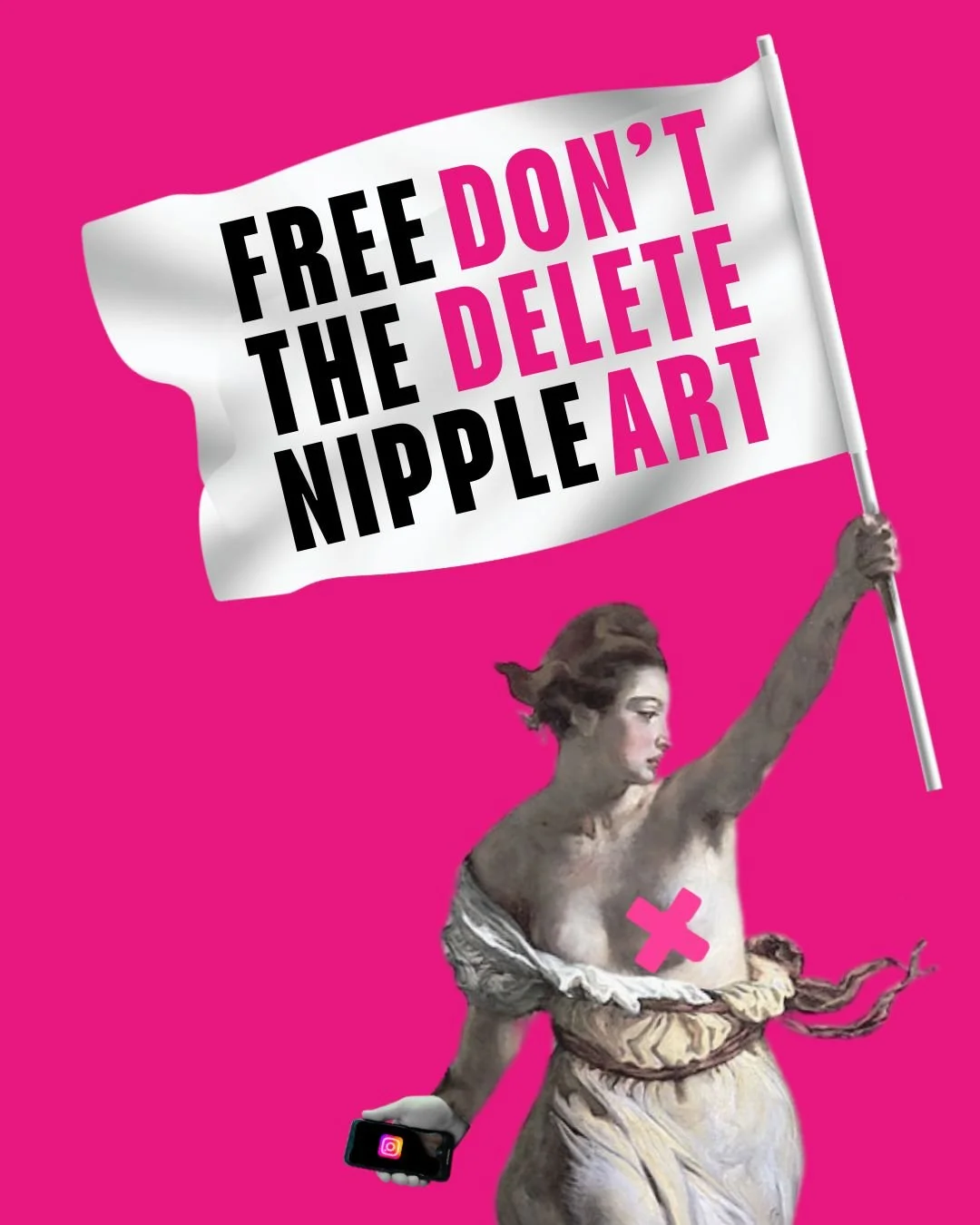
Where Online Nipple Censorship Meets Art
Explore our selected timeline showing how art and activism have helped implement greater tolerance for simple nudity in art presented online.
-
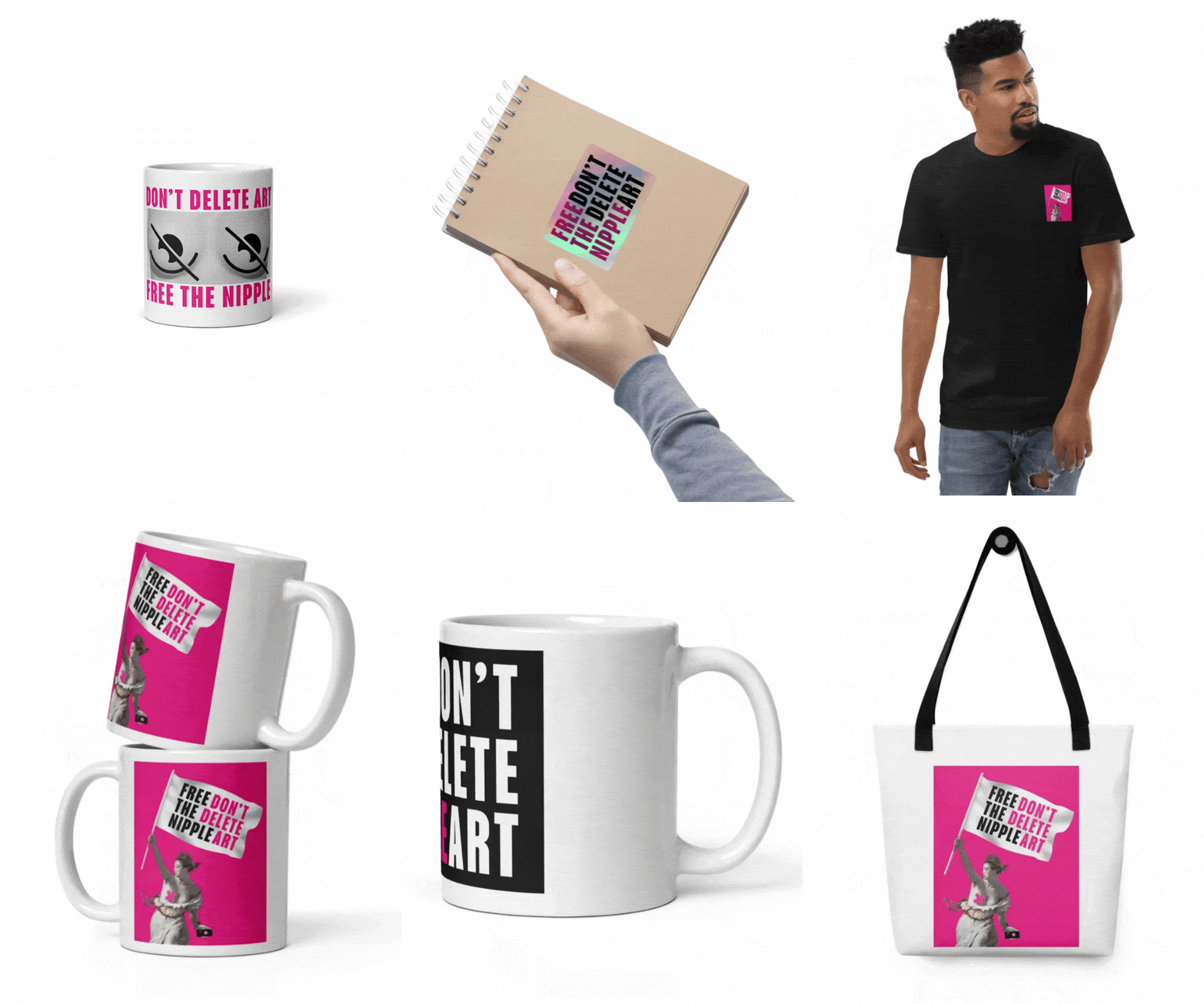
MERCH!
We have limited-time Free The Nipple X Don’t Delete Art gear for you! All proceeds go directly to support Don’t Delete Art’s efforts to fight art censorship online (only available in US)
Where Online Nipple Censorship meets Art
Breastfeeding Images and Facebook’s Nudity Policy (2008–2014)
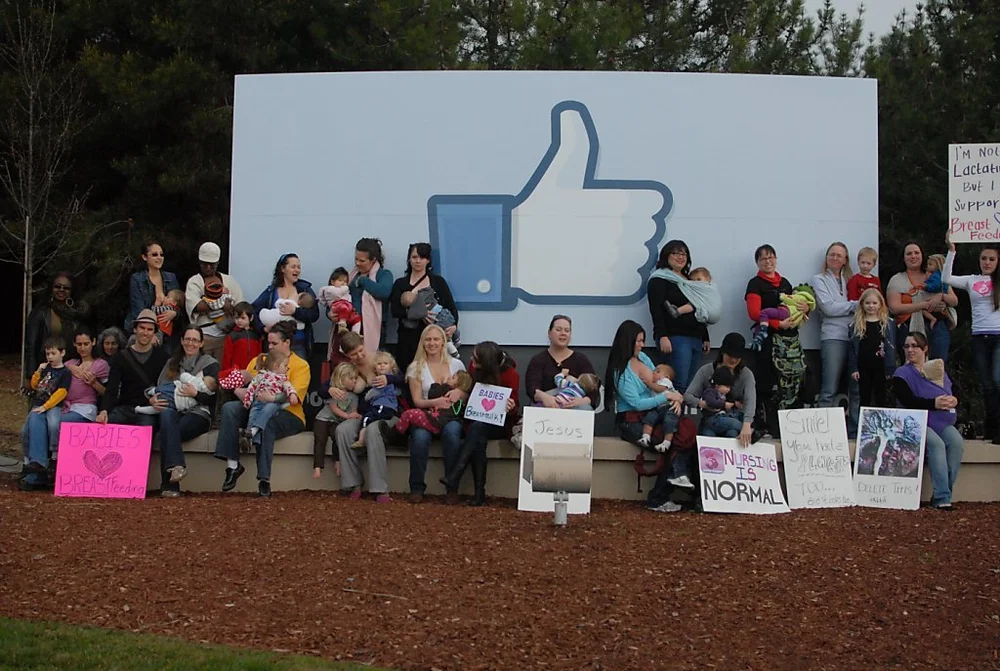
In 2008, Facebook began removing photographs of breastfeeding mothers under its nudity policy, flagging visible nipples as violations. The removals sparked widespread criticism from parents, healthcare advocates, and free expression groups who argued that the platform was censoring a natural and non-sexual act. In response, users organized petitions, coordinated online “nurse-ins,” and launched social media campaigns challenging the platform’s gendered moderation standards. After years of sustained public pressure, Facebook revised its Community Guidelines in 2014 to formally allow images of breastfeeding, even when nipples are visible. The shift marked an early acknowledgment that context matters in content moderation decisions.
Amy Greenfield and YouTube (2010)
In 2010, YouTube removed two films by experimental artist Amy Greenfield — Element (1982) and Tides (1982) — citing violations of its Community Standards. The works, which explore movement and the expressive capacity of the body, were flagged for nudity despite their longstanding recognition as art. National Coalition Against Censorship (NCAC) and the Electronic Frontier Foundation (EFF) urged YouTube to apply its guidelines more judiciously and implement a meaningful appeals process to protect artistic and educational content. Following advocacy and public pressure, YouTube restored the videos, setting an important precedent for contesting automated or overly broad moderation decisions.
L'Origine du Monde and Jurisdictional Power (2011–2019)

In 2011, Facebook suspended the account of French teacher Frédéric Durand-Baïssas after he posted an image of L'Origine du Monde (1866) by Gustave Courbet. The 19th-century painting, a canonical work of art history, was deemed to violate the platform’s nudity standards. Durand-Baïssas sued, arguing that Facebook failed to distinguish between pornography and art and had violated his right to free expression. Facebook countered that its terms of service required disputes to be heard in California courts. After a six-year legal battle, a Paris court ruled that Facebook had wrongfully shut down the account. In 2019, the company settled the case and later adjusted its policies to formally allow artistic nudity in paintings and sculpture, while continuing to prohibit most photographic nudity. The case raised critical questions about platform governance, jurisdiction, and the authority to define art in digital spaces.
#FreeTheNipple (2013–)
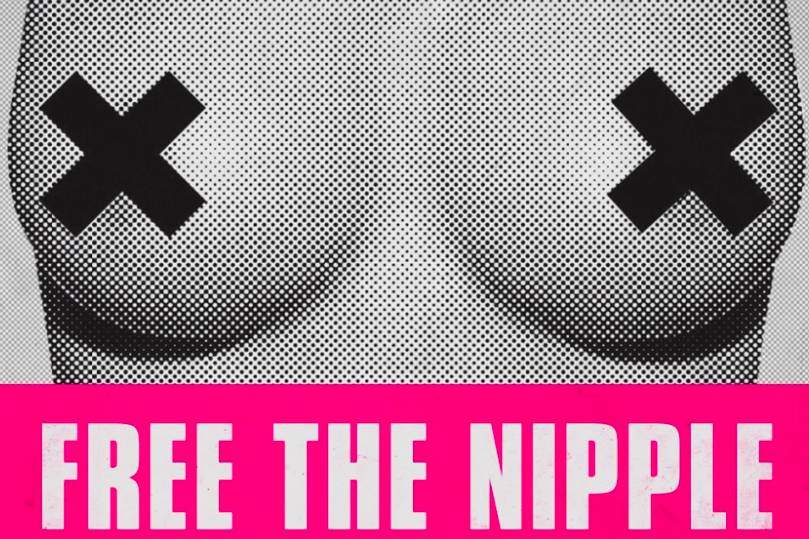
The #FreeTheNipple movement gained international attention after filmmaker Lina Esco released her film Free the Nipple and shared promotional clips on social media, only to have them removed for violating nudity policies. The incident ignited a broader campaign challenging the rule that permits images of male nipples while banning female ones. The movement exposed the gendered double standards embedded in platform moderation and highlighted the disproportionate impact of such policies on women, artists, and queer communities. Although Meta later clarified aspects of its nudity policies, it did not fundamentally eliminate the underlying distinction. #FreeTheNipple remains a touchstone in debates about gender bias and digital censorship.
Courtney Demone and #DoIHaveBoobsNow (2015)

In 2015, Canadian trans activist Courtney Demone launched the hashtag #DoIHaveBoobsNow to test Facebook and Instagram’s nipple censorship policies. As she began hormone replacement therapy, Demone posted topless images of herself to challenge the platforms: at what point would her chest be considered “female” and therefore subject to removal? As her appearance became more traditionally feminine, Instagram deleted many of the images. The campaign exposed how moderation policies rely on binary and subjective gender assumptions. By foregrounding trans embodiment, Demone’s action revealed the inconsistencies and discriminatory effects of automated and human content review systems. Ultimately her project and posts were removed by Facebook.
Venus of Willendorf (2018)
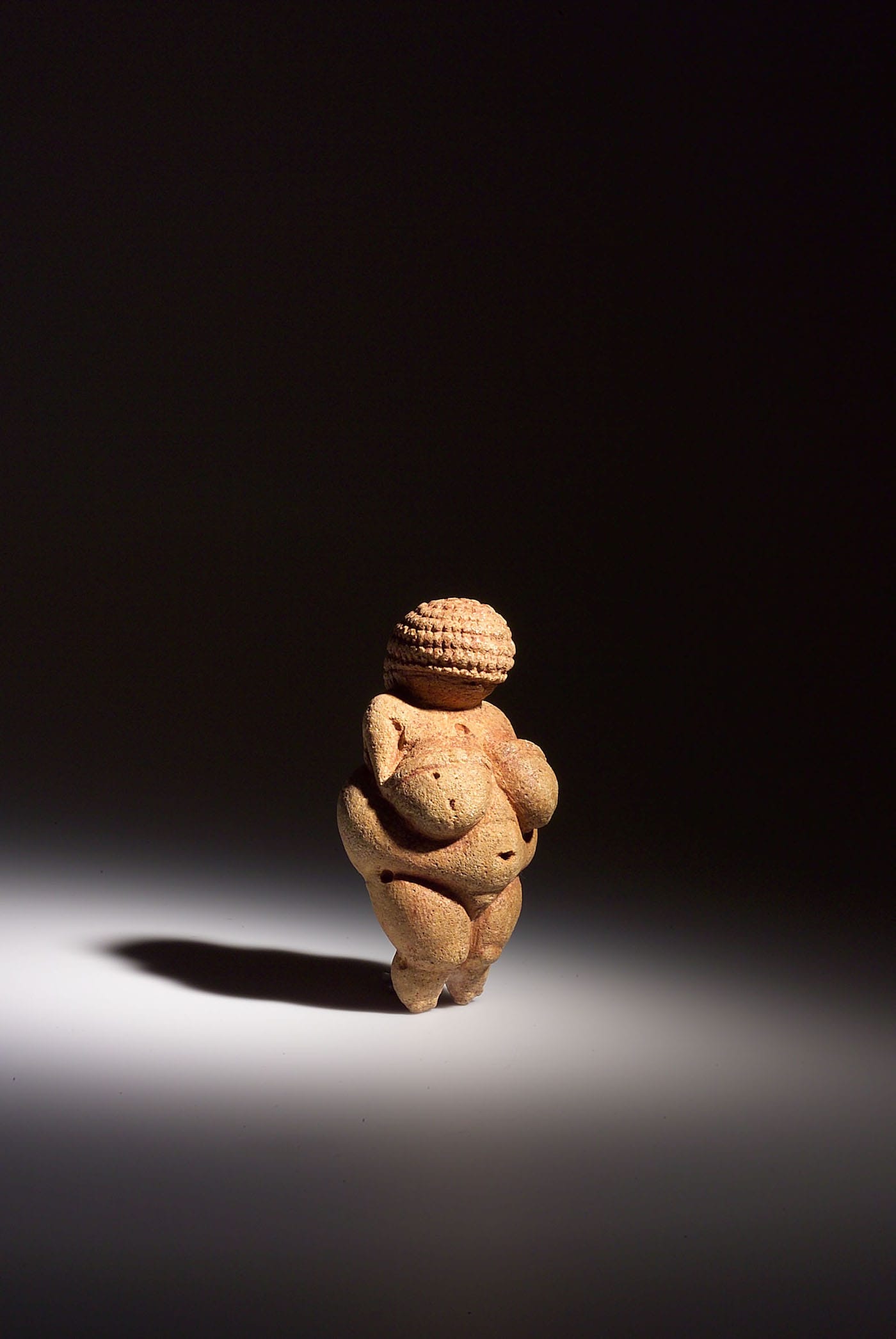
In 2018, Facebook removed an image of the 30,000-year-old sculpture Venus of Willendorf, citing nudity. The image had been posted by Italian arts activist Laura Ghianda. The decision quickly drew international criticism for censoring one of the most iconic works of prehistoric art. Facebook later apologized and restored the image, stating that it makes exceptions for statues. The episode underscored the limits of automated moderation and the difficulty platforms face in recognizing historical and artistic context.
#WeTheNipple and Public Art Protest (2019)

On June 2, 2019, the National Coalition Against Censorship organized #WeTheNipple , a public art action staged outside Facebook’s New York headquarters in collaboration with artist Spencer Tunick. The project featured 125 nude participants covering their nipples and genitalia with circular images of male nipples to highlight the gender inequality embedded in platform policies. The campaign called on Facebook and Instagram to allow photographic artistic nudity. In response, Facebook committed to revisiting its policies and convened a cross-sector group of artists, curators, educators, activists, and employees to examine how artistic freedom could be better protected online.
Nyome Nicholas-Williams and #IWantToSeeNyome (2020)

In 2020, plus-size Black model Nyome Nicholas-Williams faced repeated removals of a topless portrait by photographer Alexandra Cameron on Instagram, despite her pose fully covering her nipples. Supporters launched the hashtag #IWantToSeeNyome to protest what many viewed as inconsistent and biased moderation. The campaign drew attention to how nudity policies disproportionately affect Black bodies and larger bodies, raising questions about racial and size bias in algorithmic enforcement. After widespread public outcry, Instagram reinstated the images and pledged to review its policies to better account for artistic and body-positive expression.
Vienna Strips on Onlyfans (2021)
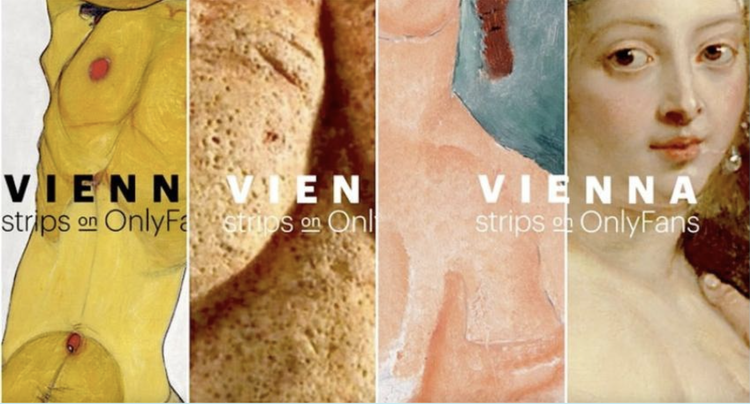
In protest against the regular censorship of their artworks on social media, the Vienna Tourist Board launched a provocative campaign titled “Vienna strips on OnlyFans,” using the subscription platform to highlight the restrictive standards applied to art on mainstream social media. Subscribers to the Onlyfans account would see the uncensored artwork, and receive passes for Vienna art museums. The campaign gained international attention, and won more than 40 awards including a Golden Lion in Cannes in the category "Breakthrough on a Budget."
"Madres Paralelas" Poster Controversy (2021)
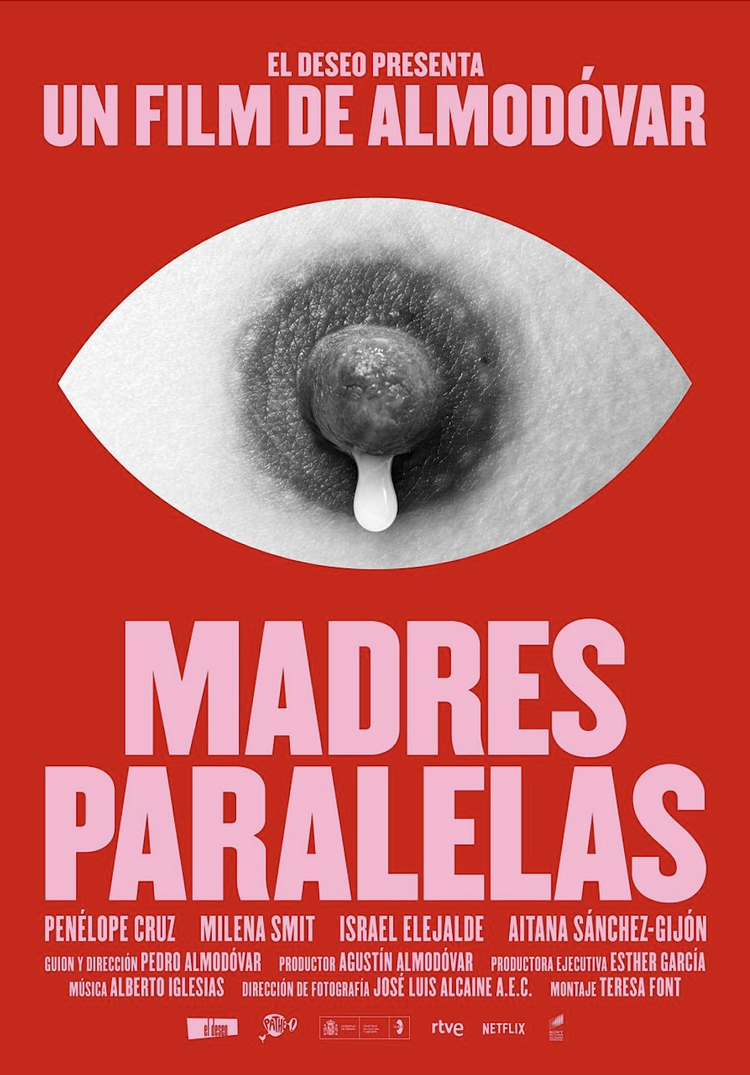
In 2021, Instagram removed a promotional poster for "Madres Paralelas", directed by Pedro Almodóvar. The Oscar-nominated film’s poster featured a lactating nipple and was flagged for violating nudity rules. Following extensive public criticism of the decision to censor the artwork, Instagram reversed course and restored the post on its platform. To the press, the company stated that they: “make exceptions to allow nudity in certain circumstances, which includes when there’s clear artistic context. We’ve therefore restored posts sharing the Almodóvar movie poster to Instagram […].” Although Instagram's final decision acknowledged the need for a kind of exception for content that has "clear artistic context," in terms of lens-based works, the company notably seems to only apply this exception to well-known work such as Almodóvar's.
EVENTS
Impactful and relevant conversations on how nipple censorship, gender bias, and technology shape what art is allowed to exist online
 Interview
Dropping March 4, 2026
Interview
Dropping March 4, 2026
Conversation with Free The Nipple Founder Lina Esco
Don't Delete Art Editor-At-Large Emma Shapiro joins Lina Esco, founder of Free The Nipple, for a conversation about the inspiration behind the Free The Nipple movement.
Watch it now →
Live Talk
April 2, 2026 | 12 PM ET / 6 PM CETBreasts throughout Art History: Symbolism to Censorship
In this slide show lecture, art historian and curator Carolina Pasti presents works of art in which breasts are depicted, examining how historical trends and taboos have shaped their interpretation, instrumentalization, and circulation in art over time. From subversive resistance, to breastfeeding, and cancer awareness, this lecture rejects the idea that breasts can only be seen in the context of the male gaze.
WATCH THE RECORDING → Live Panel Event
April 14, 2026 | 12 PM ET / 6 PM CET
Live Panel Event
April 14, 2026 | 12 PM ET / 6 PM CET
Uncovering the Gaze: The Female Body, Nipple Politics, and Digital Culture
Author & Journalist Soraya Chemaly (Rage Becomes Her, All We Want Is Everything), and Professor & Author Safiya U. Noble, Ph.D.(Algorithms of Oppression: How Search Engines Reinforce Racism) join us for a discussion on how women’s bodies are represented and regulated online.
WATCH THE RECORDING → Live Panel Event
April 30, 2026 | 12 PM ET / 6 PM CET
Live Panel Event
April 30, 2026 | 12 PM ET / 6 PM CET
Justice, the Law, and Gender-based Censorship in Art Online
NCAC Executive Director Lee Rowland and NCAC Counsel Erika Sanders joined us for a discussion on artistic nudity, online censorship, and how social media policies intersect with U.S. free expression law.
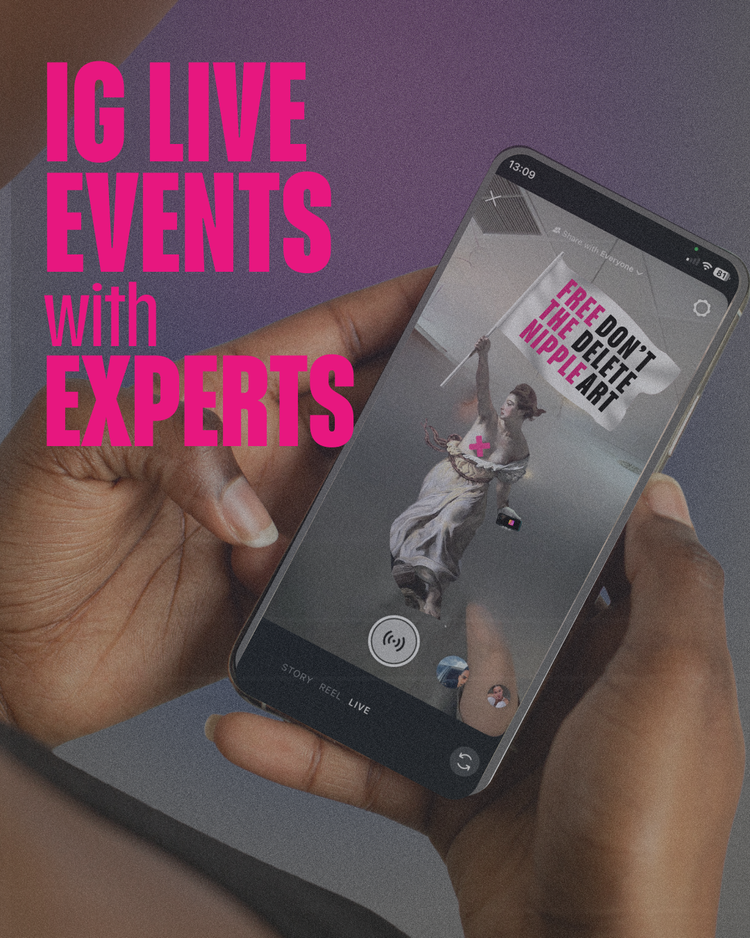
Conversations on IG Live
We were honored to have live conversations on IG featuring leading voices in censorship, tech policy, content moderation, and feminist approaches to online spaces. Head to Instagram to watch the recordings!
View IG Live Schedule →FEATURED ARTWORKS
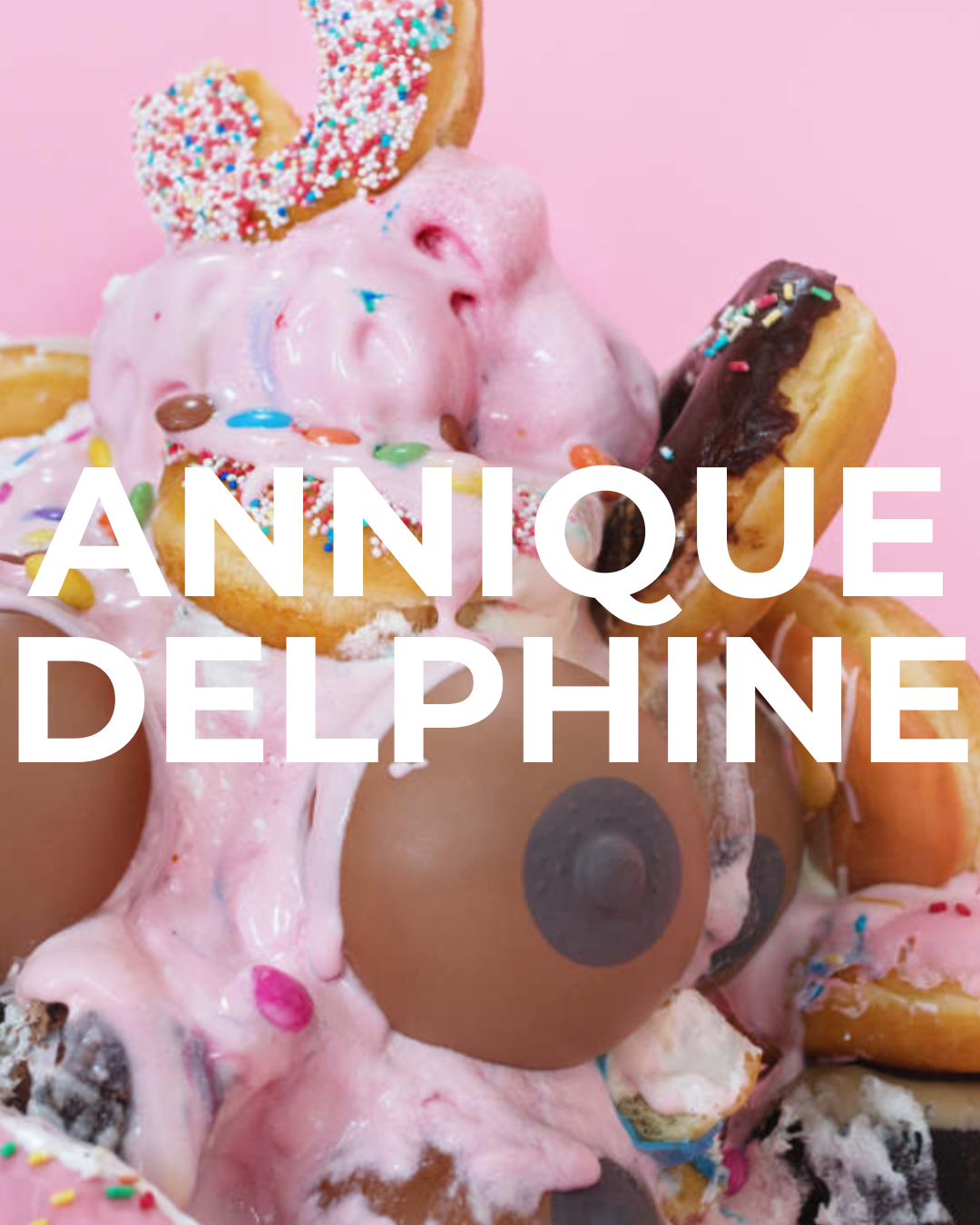
What do we stand to lose if we accept restrictions of art online solely based on the inclusion of female-presenting nipples?
This collection of featured works reveals the ways that this strangely contested body part is integral in the creative expression of contemporary artists, photographers, and sculptors.
Click on that image to see the full artwork and exclusive quotes from the artist.
From our community…
During our collaboration with Free The Nipple, artists were encouraged to share their art and tell their stories of how female-presenting nipple censorship has affected them.
-
I’m a medical tattoo artist who offers free 3D realistic nipple tattoos to people after breast cancer! I also started the uks first nipple tattoo charity - the nipple innovation project - to create a directory of approved nipple tattoo artists so anyone in need of the service can access it! Historically this service was offered in hospitals by surgeons after doing one day tattoo training - the nipples were non artistic and semi permanent so faded quite quickly causing psychological & physical damage. It’s so important to raise awareness of our free service as nipples are an underrated topic over sexualised by society so people don’t know what’s available to them! Myself, our artists and our registered charity constantly get images removed of our nipple tattoo work - obviously they look so real ;) but this has a huge impact on our accounts which we use to run our business or charity to offer our service! We work so hard to help give people confidence back after losing a big part of them to cancer and it feels like we are being punished for doing so!! It’s been going on 9 years and I’m exhausted, I just want to use my art to help people feel whole again it should not be this much of a battle!
Lucy Thompson
@lucy_nipple
@nipcharity
-
I'm a drawing artist, making graphite portraits of ancient classical gods - such as the Greek Goddess Aphrodite, who has appeared through all time with bare breasts. I'm greatly inspired by classical sculpture, where nudity was considered a sign of divinity. I promote and sell my work through social media, and was building a steady following, and even just about generating enough income to be a full time artist. As a solo mother, having this possibility for satisfying and beautiful work that fits around my childcare commitments is essential.
However three years or so ago, I started to get frequently pulled up on social media for sharing 'sexually explicit' work, or for 'sexual solicitation'. My reach dropped, as I had to contend with appealing these restrictions, which became an almost daily occurrence.
None of my work is pornographic. Some are simple nude drawings, which should be allowed, according to the community guidelines. Nevertheless, I tried censoring the works in various ways, but they were still flagged and my account was continually restricted. I paid for the 'blue tick' hoping that might help, but it did nothing. It seems as though my whole account has been flagged as pornographic somehow. My reach dropped, and my follower count has remained stagnant, at 13.8k for three years now.
Even images I post now with no nudity whatsoever are flagged as sexual. There seems to be no way around this. My career has suffered and I have had to take additional jobs, which means I can no longer draw as much. At my peak in 2021 I made 10 drawings in one year. Now I'm lucky if I do two. I have been careful NOT to do any more nudes, so the subject of my work has had to shift. It's crazy that an algorithm has dictated what art is acceptable and what is not, and has really ruined what seemed to be a promising and fulfilling career for me.
Red K Elders
@rkelders.art
-
In 2015, I started photographing some very brave and beautiful models for an NSPCC Anti Bullying Calendar. The calendar style saw the ladies posing either topless or naked with of course their modesty covered. It did however become extremely frustrating when I started doing the rounds of local businesses asking if they'd be happy to sell the calendars. That was it, a stone wall appeared as the questions started, 'can you actually see them topless' etc. My determination turned to sheer amazement when one afternoon, I went up to the reception desk in an office based business. The female manager came out to see me with the same concerns and politely refused. I then looked through the back of the reception into an office space where I saw, clear as day a male firefighter calendar hanging on the wall. Yep, you've guessed it, practically naked apart from the odd helmet and sledgehammer! I felt totally deflated and could not believe the double standards.
@magicmrp
-
My art is here to promote body positivity and bring joy to sexual liberation, while advocating for s3x worker rights and decriminalization. Instagram has shadow banned my account since its inception in 2020. Meta constantly restricts my accounts from posting content and direct messages, thus preventing me from working/making income from commissions and artwork sales. I feel Meta also has been targeting/removing my LGBTQ artworks predominantly, which is extremely disappointing and upsetting for me and my queer community. I’m based in San Francisco, and support all adult industry workers. My nonprofit organization, Safe Work Coaition (est. 2025) builds community and connects adult industry workers with resources in the Bay Area, California and Oregon, Nevada. Free the nip and free the world! #s3xworkisrealwork
@colorfulweird0
@safeworkcoalition
-
I am a cancer scientist by training, mother of a leukemia-survivor child and first European nipple tattoo artist trained to 3D nipple tattooing technique in the United States and to breast cancer reconstruction techniques by cancer plastic surgeons. I have developped my very own artistic hyper-realistic technique in 2017 to open in France The Tétons Tattoo Shop, the very first tattoo parlor 100% dedicated to self-esteem recovery after a mastectomy. Since that date, I have been shadowbanned and restricted in showing my work to the world and can hardly reach the people who are in need of my help. The pictures I am posting are showing the benefit of this technique to women and men harmed by cancer sequalae on their image. None of them is suggestive or appealing and all of them are respecting the publication rules of social medias. I am regularly blocked, i see my content being taken down and erasing my work is killing my very small company. I have seen my Facebook account deleted, appealed and got it restored but still being censored. My instagram backup account has been permanently crashed down. This is brutal, unfair and sad, and this invisibility of bodies damaged by cancer is another insult made to cancer survivors and those fighting for their recovery.
@alexia_cassar
-
I've been censored a lot in the time I've worked with nudity. In 2018 on a whim I found myself photographing fine art nudes in the desolate, alien landscapes of Iceland. The photos from that trip later won me first place in the Beautiful Bizarre photo awards. This proved to me that it was something worth pursuing and I spent the next 7 years traveling and working with art models in nature. My work has been banned from r/Art on Reddit - accompanied by hideous hateful remarks from a moderator. I've been banned from r/Photo and other subs as well. I was banned from VSCO and many other apps. I was even banned from Thumbtack because their platform specific boudoir offerings don't allow implied nudity, the most asinine policy I've ever heard.
On instagram I've battled countless restrictions, shadowbans, and removed posts. On twitter, despite the fact that they allow porn and wildly explicit content on their platform, they don't allow implied nudity in your page banner. I didn't know that, so they banned me. I spent months appealing over and over. One day they sent an email saying ""this is our final communication with you, you have been permanently banned and will no longer be able to appeal."" ...I then went to my account and was able to log in with no issue. Someone screwed up and seemingly un-banned my account after sending the final decision email. So that was a unique scenario.
At this point, I am so sick of the distorted views and interests of this culture. Platforms that do allow nudity are inundated with erotic, male-gaze type sexualized shoots. I'm not condemning these things, but I think my work is condemned when its forced to stand beside that kind of art. It would be like putting classical paintings on a porn site and saying ""well they don't have clothes on so its the same as the sex-workers obviously..."" Complete insanity. This is the perspective of most moderation and social media guideline teams.
Luckily there are some with clear minds and a grasp of art. But its few and far between.
Over the years, this type of relentless backlash and struggles just to share my work has lead me to a discouraged and defeated inner state. I sometimes see my work through the lens of society rather than what I'd intended to express. Something needs to change.
@soul.craft